seismic bracing systems are an essential component in ensuring structural safety in buildings during earthquakes. These systems are designed to resist lateral forces that occur during seismic events and to prevent damage to the building structure. In areas where earthquakes are common, seismic bracing systems are critical in protecting buildings, occupants, and contents from potential damage or collapse.
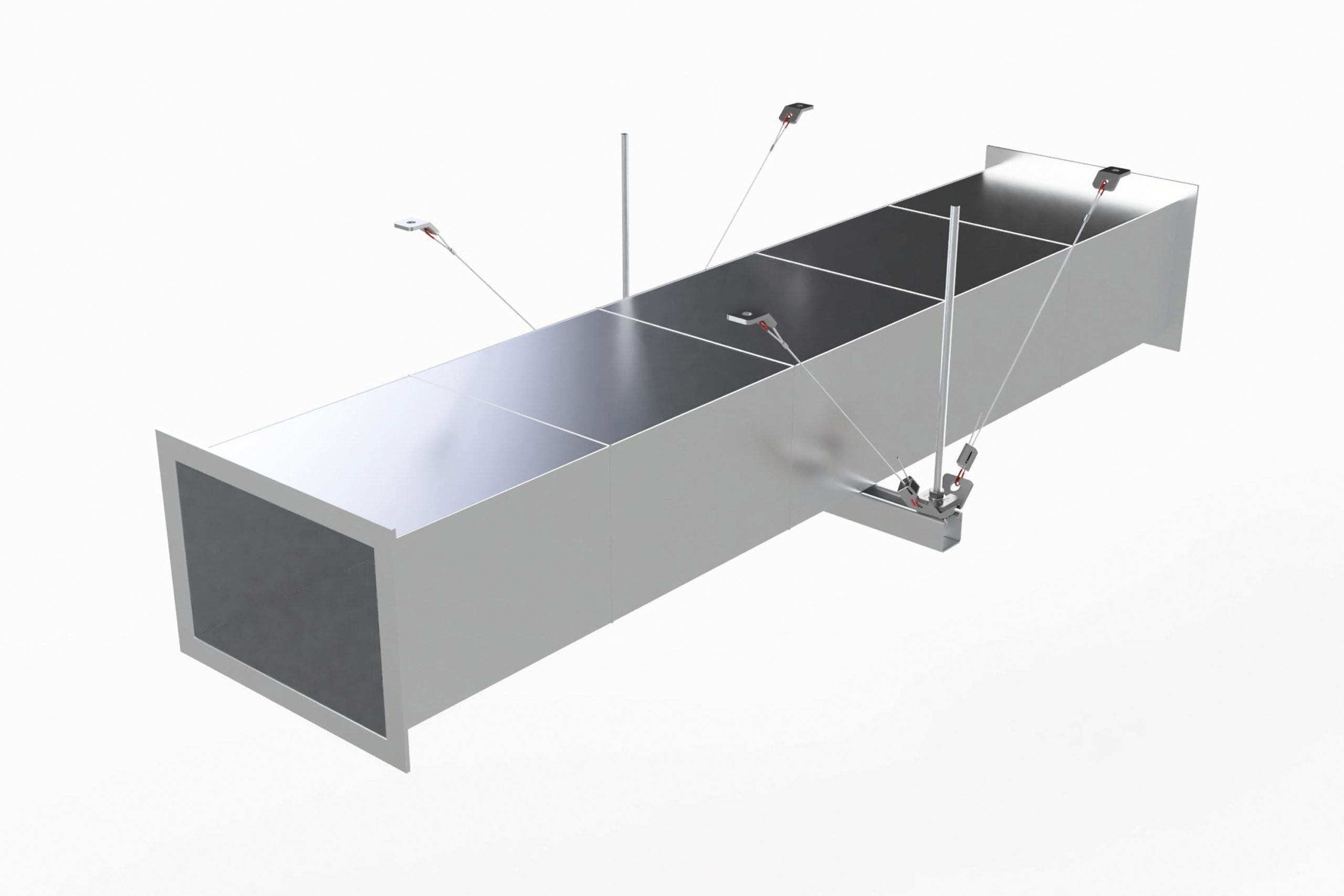
The primary function of a seismic bracing system is to limit the movement of building components during an earthquake. This is achieved by connecting various structural elements, such as beams, columns, and walls, to the foundation of the building. By effectively distributing the forces generated during an earthquake, seismic bracing systems help to prevent structural failure and ensure the integrity of the building.
There are several components that make up a seismic bracing system, including braces, anchors, connections, and dampers. Braces are typically made of steel and are installed diagonally between structural elements to provide additional support and stability. Anchors are used to connect the building components to the foundation, ensuring that they remain in place during an earthquake. Connections are critical in transferring forces between different structural elements while allowing for movement. Dampers are devices that absorb energy during an earthquake, reducing the impact of seismic forces on the building structure.
One of the key benefits of seismic bracing systems is that they can be tailored to meet the specific requirements of a building based on factors such as location, size, and occupancy. Engineers consider various factors when designing a seismic bracing system, including the expected ground motion, soil conditions, building height, and structural layout. By customizing the design of the system, engineers can optimize its performance and ensure that the building remains safe during an earthquake.
In addition to protecting the structural integrity of a building, seismic bracing systems also help to protect occupants and contents. By minimizing damage to the building structure, these systems reduce the risk of injuries and fatalities that can occur during an earthquake. Furthermore, by preventing building collapse, seismic bracing systems can help to minimize damage to contents, equipment, and furnishings inside the building.
seismic bracing systems are not only important for new construction but also for existing buildings that may be at risk during an earthquake. Retrofitting existing buildings with a seismic bracing system can significantly improve their resilience to seismic events and enhance their overall safety. By strengthening the structural elements of the building and installing a bracing system, engineers can reduce the risk of damage and collapse during an earthquake.
The cost of implementing a seismic bracing system can vary depending on the size and complexity of the building. However, the investment in a seismic bracing system is well worth it in terms of protecting the building and its occupants. The cost of repairing or rebuilding a building that has been damaged or destroyed in an earthquake far exceeds the cost of installing a seismic bracing system. In addition, implementing a seismic bracing system can also help to reduce insurance premiums and liability risks associated with seismic events.
In conclusion, seismic bracing systems play a crucial role in ensuring structural safety and protecting buildings, occupants, and contents during earthquakes. By limiting the movement of building components, these systems help to prevent structural failure and minimize damage. Engineers design seismic bracing systems to meet the specific requirements of a building, taking into account factors such as location, size, and occupancy. Retrofitting existing buildings with a seismic bracing system can improve their resilience to seismic events and enhance their overall safety. The investment in a seismic bracing system is essential for mitigating the risks associated with earthquakes and ensuring the long-term safety of buildings and their occupants.